Can Solar Panels Handle Tropical Storms in Coastal Virginia
If you live near the coast in Eastern Virginia, tropical storms aren’t hypothetical—they’re part of life…
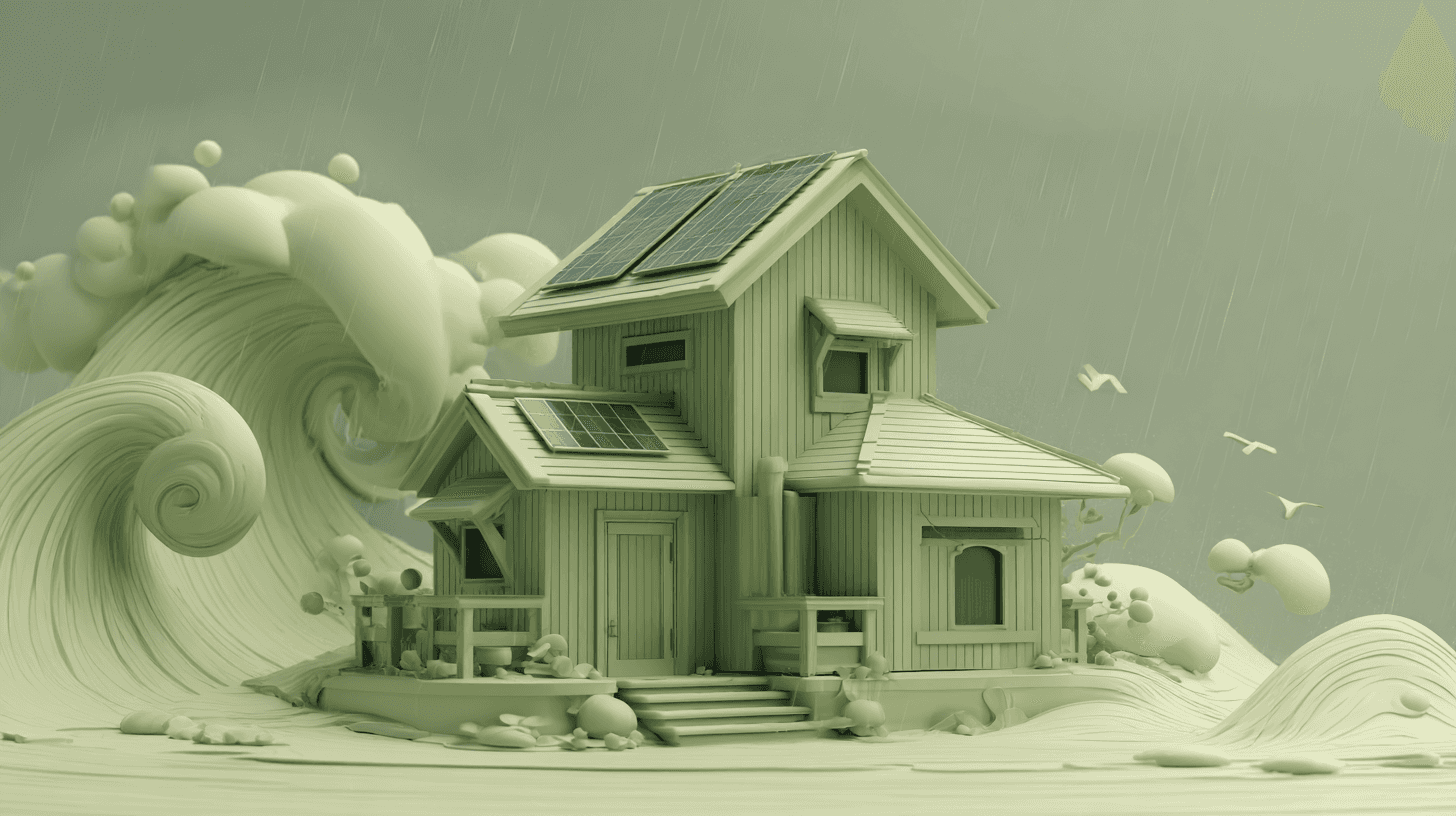
Can Solar Panels Handle Tropical Storms in Coastal Virginia?
If you live near the coast in Eastern Virginia, tropical storms aren’t hypothetical—they’re part of life.
So it’s fair to wonder, especially during hurricane season:
Can solar panels really handle coastal storms?
The short answer: yes—and they’re designed with this exact environment in mind.
Coastal Weather Is Not a Surprise
Solar systems installed in Eastern Virginia aren’t designed in a vacuum.
System design already accounts for:
High winds
Heavy rain
Salt air
Seasonal storms
From Virginia Beach to the Eastern Shore, solar equipment is selected and installed with coastal conditions in mind.
Wind Is the Big Question—and It’s Covered
Most people worry about wind first, not rain.
Solar mounting systems are:
Engineered to local wind codes
Anchored directly into roof structure
Designed to resist uplift, not just weight
Panels don’t sit loosely on the roof. They’re secured with hardware meant to handle strong, sustained winds—not just summer breezes.
Rain Doesn’t Hurt Solar Panels
Tropical storms bring a lot of rain, but solar panels are sealed and weatherproof.
Rain:
Doesn’t penetrate the panels
Doesn’t damage the glass
Doesn’t affect electrical safety
In fact, heavy rain often helps wash away salt, dust, and pollen that naturally build up in coastal areas.
Salt Air Is Already Accounted For
Living near the beach raises questions about corrosion.
Solar panels and racking used in coastal regions are rated for outdoor exposure and are designed to handle salt air over long periods. Coastal installations are common worldwide—and the equipment reflects that reality.
Power Outages Don’t Mean Panel Damage
During major storms, utility outages can happen.
That doesn’t mean anything is wrong with your solar system. Grid-tied solar systems are designed to temporarily shut down during outages for safety, then resume normal operation once the grid is restored.
The storm didn’t “break” the system—it just knocked out the grid.
Solar Is Built for Storm Seasons, Not Just Sunny Days
Just like homes in coastal Virginia are built with storms in mind, solar systems are too.
They’re designed for:
Seasonal weather patterns
Year-round exposure
Real-world conditions, not perfect days
Tropical storms are part of the environment—not a failure scenario.
The Takeaway
Solar panels are well-equipped to handle tropical storms in Eastern Virginia and coastal communities.
Strong winds, heavy rain, and salt air are already part of the design equation. When storms pass and the grid comes back online, your solar system is ready to keep doing its job.
Storm season doesn’t mean solar season ends.
VirginiaSolar.org was created to give Virginia homeowners clear, unbiased information about solar—so decisions are made with confidence, not pressure.
Our Help Desk and resource library are here whenever you want to go deeper or ask questions.
Confused by the quotes you're getting?
Send us your proposal for a free, private audit of your solar proposal.
Review My Quote for Free

VirginiaSolar
Honest solar education for Virginia homeowners.
Resources
Company
Privacy Policy
Terms of Service