What Happens to Solar Panels When It Snows
Snow on the roof tends to raise eyebrows—especially for homeowners with solar panels…
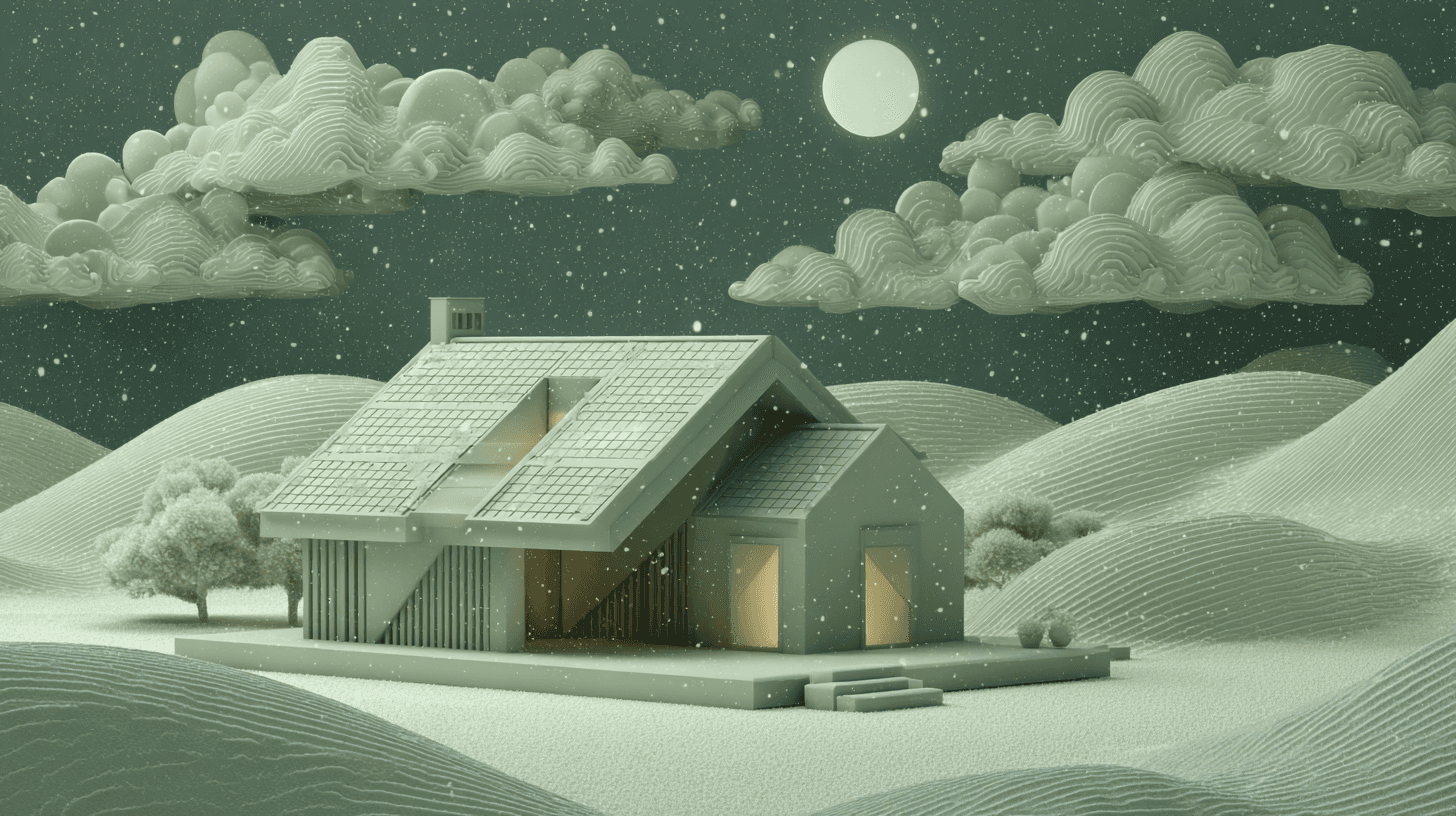
What Happens to Solar Panels When It Snows?
Snow on the roof tends to raise eyebrows—especially for homeowners with solar panels.
If you’ve ever looked outside after a snowfall and wondered whether your system is “doing anything,” you’re not alone. The good news is that snow is a temporary and expected part of solar operation in winter climates.
Snow Can Pause Production — Briefly
When panels are fully covered in snow, they won’t produce much electricity. Sunlight needs a clear path to the panel surface.
That said, snow coverage is usually short-lived, especially compared to how long a system operates over the course of a year.
Panels Are Designed to Shed Snow Naturally
Solar panels are:
Smooth
Dark-colored
Installed at an angle
Those features help snow slide off once:
The sun comes out
Temperatures rise slightly
Panels begin warming during daylight
Often, snow clears from panels faster than it does from the rest of the roof.
Solar Systems Are Designed With Seasonality in Mind
This part is easy to forget when looking at a snowy roof.
Solar systems are not designed around perfect summer days—they’re designed around full-year performance.
That means:
Lower winter production is expected
Shorter days and snow are factored into system sizing
Performance is evaluated over months and years, not individual days
Winter isn’t a failure mode—it’s part of the plan.
Cold Weather Is Not the Enemy
It’s easy to associate snow with poor performance, but the temperature itself isn’t the issue.
Solar panels actually operate more efficiently in cold air than in extreme heat. Once snow clears, winter sunlight combined with cool temperatures can produce solid output.
Snow Doesn’t Damage Solar Panels
Solar panels are engineered to withstand:
Heavy snow loads
Freeze-thaw cycles
Harsh winter conditions
They’re tested against conditions far more extreme than a typical snowfall. Snow sitting on panels for a short time won’t harm them.
You Don’t Need to Remove Snow Manually
In most cases, homeowners should not try to clear snow from their panels.
Climbing on the roof can be dangerous, and scraping panels can do more harm than good. Solar systems are designed to handle snow without intervention.
Let gravity, sunlight, and time do the work.
The Takeaway
Snow on solar panels is normal, temporary, and expected.
Solar systems are designed with seasonality in mind, meaning winter performance is already accounted for long before panels ever go on the roof. A snowy day doesn’t mean solar isn’t working—it means it’s winter.
Once conditions improve, your system gets right back to producing energy.
VirginiaSolar.org was created to give Virginia homeowners clear, unbiased information about solar—so decisions are made with confidence, not pressure.
Our Help Desk and resource library are here whenever you want to go deeper or ask questions.
Confused by the quotes you're getting?
Send us your proposal for a free, private audit of your solar proposal.
Review My Quote for Free

VirginiaSolar
Honest solar education for Virginia homeowners.
Resources
Company
Privacy Policy
Terms of Service