When Solar Isn’t the Problem: Avoiding the Trap of Overconsumption
One of the quiet shifts that can happen after going solar has nothing to do with panels, inverters, or utilities…
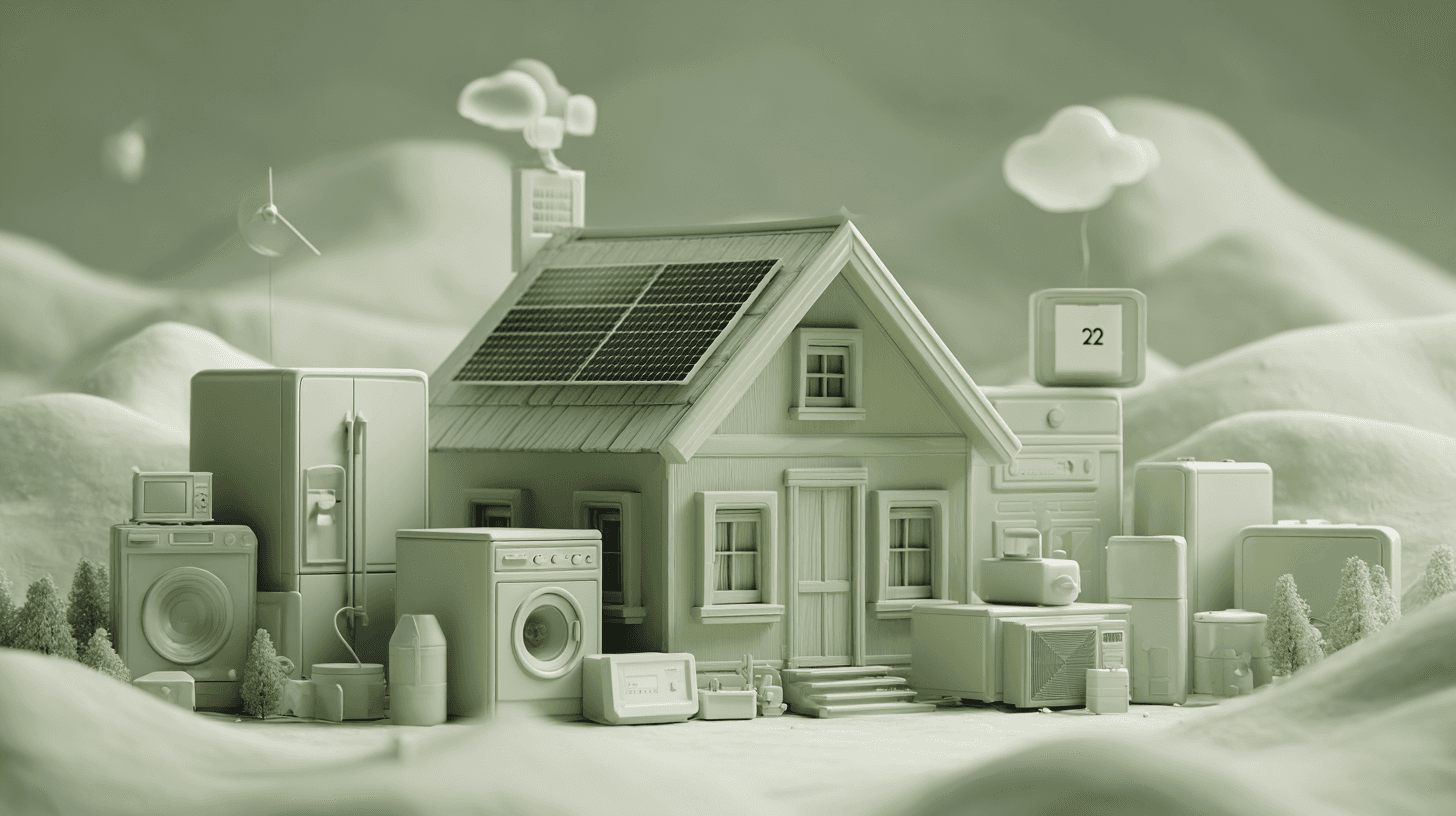
When Solar Isn’t the Problem: Avoiding the Trap of Overconsumption
One of the quiet shifts that can happen after going solar has nothing to do with panels, inverters, or utilities.
It’s behavioral.
After installing solar, some homeowners slowly start using more electricity—often without realizing it. Then, when bills don’t look how they expected, solar gets the blame.
In most cases, the system didn’t change. Consumption did.
Why Overconsumption Happens After Going Solar
Solar changes how people feel about energy.
When electricity no longer feels scarce or expensive, it’s natural to loosen habits:
Thermostats get nudged a little lower in winter or higher in summer
Extra appliances run more often
Old inefficiencies stop feeling urgent
None of this is reckless. It’s human nature.
The problem is that solar systems are designed around historical usage, not future lifestyle creep.
Solar Offsets Usage — It Doesn’t Eliminate Limits
A solar system is sized based on:
Past energy consumption
Roof space and orientation
Utility rules
Expected seasonal production
If energy use increases significantly after installation, solar may still be working exactly as designed—it’s just offsetting a larger load than it was built for.
Solar doesn’t create unlimited electricity. It reduces dependence on the grid within defined parameters.
Common Ways Energy Use Quietly Increases
Overconsumption rarely comes from one big change. It usually happens gradually.
Examples include:
Running HVAC longer because “solar covers it”
Adding space heaters, dehumidifiers, or second refrigerators
Leaving lights and electronics on longer
Charging new devices or equipment regularly
Individually, these changes feel small. Collectively, they matter.
Why Bills Can Rise Even When Solar Is Working
This is where confusion often sets in.
If usage increases:
Solar production may stay the same
Net metering credits may build more slowly
Grid usage may rise during low-production periods
Utilities like Dominion Energy and Appalachian Power Company will still bill for electricity pulled from the grid—regardless of whether solar is present.
When that happens, it can feel like solar “isn’t doing enough,” when in reality it’s offsetting exactly what it was designed to offset.
Solar Isn’t a Free Pass — It’s a Tool
Solar works best when paired with awareness.
The goal isn’t to restrict comfort or micromanage energy use. It’s to avoid assuming that solar removes the need to think about consumption altogether.
Homes that see the best long-term results tend to:
Maintain reasonable efficiency habits
Track usage trends occasionally
Understand that behavior still matters
Solar rewards consistency, not excess.
How to Keep Expectations Aligned
A few simple mindset shifts help prevent frustration:
Think annually, not monthly
Separate production from consumption
Treat solar as a stabilizer, not an excuse
If energy use grows over time, it doesn’t mean solar failed—it means the household changed.
The Takeaway
Solar is designed to reduce energy costs and reliance on the grid—not to erase the impact of every lifestyle choice.
When expectations stay grounded and usage stays intentional, solar does exactly what it’s supposed to do.
Most disappointment comes not from system performance, but from misunderstanding how energy habits evolve after installation.
VirginiaSolar.org was created to give Virginia homeowners clear, unbiased information about solar—so decisions are made with confidence, not pressure.
Our Help Desk and resource library are here whenever you want to go deeper or ask questions.
Confused by the quotes you're getting?
Send us your proposal for a free, private audit of your solar proposal.
Review My Quote for Free

VirginiaSolar
Honest solar education for Virginia homeowners.
Resources
Company
Privacy Policy
Terms of Service