Why Solar Is Designed for Averages, Not Extremes
One of the most common misunderstandings about solar is how performance is measured…
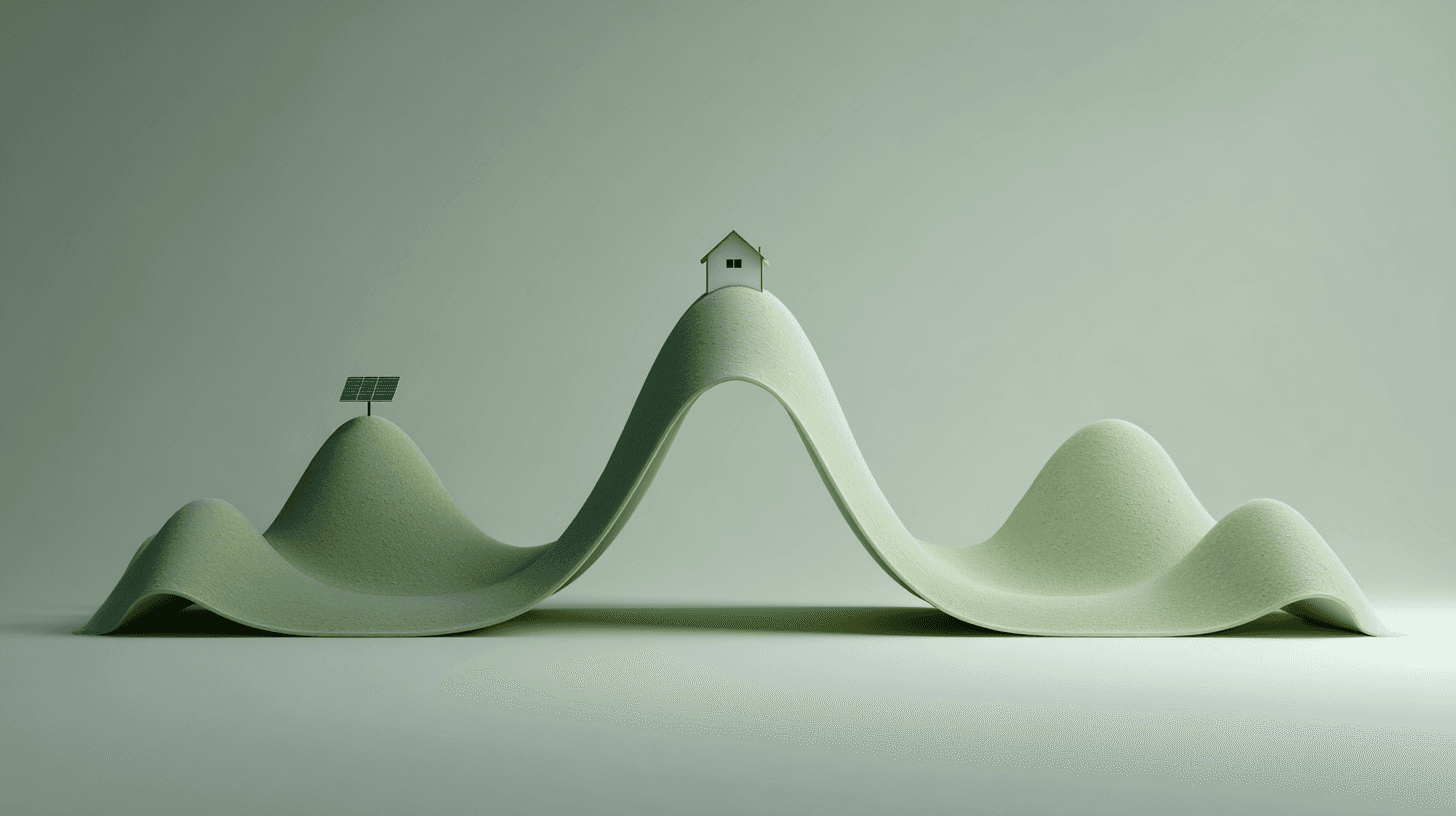
Why Solar Is Designed for Averages, Not Extremes
One of the most common misunderstandings about solar is how performance is measured.
It’s easy to look at a single cloudy day, a heat wave, or a snowy week and think something’s off. But solar systems aren’t designed to “win” every day.
They’re designed to perform well over time.
Solar Doesn’t Chase Perfect Days
No solar system is designed around:
The sunniest day of the year
The worst storm
A once-a-decade heat wave
Designing around extremes would create systems that are oversized, inefficient, or impractical.
Instead, solar is designed using long-term averages based on historical weather data.
What “Average” Really Means in Solar
When a solar system is designed, it uses:
Years of local weather data
Typical cloud cover patterns
Seasonal daylight changes
Expected temperature ranges
Those inputs create realistic production expectations—not best-case scenarios.
That’s why performance is evaluated monthly and annually, not hour by hour.
Extremes Still Happen—and That’s Okay
Every year has:
Stormy weeks
Heat spikes
Snow events
Overcast stretches
Solar systems are built knowing those will happen.
A bad week doesn’t mean a bad system. It means the system is operating in real-world conditions, exactly as planned.
Why Chasing Extremes Creates Problems
If solar were designed to perform perfectly during extremes:
Systems would be larger than needed
Costs would increase unnecessarily
Long-term efficiency would suffer
Designing for averages keeps systems balanced, affordable, and effective across the entire year.
Monitoring Apps Can Make Extremes Feel Bigger Than They Are
Monitoring apps are great tools—but they highlight daily fluctuations very clearly.
That can make extremes feel more important than they actually are. A dip on a stormy day looks dramatic on a graph, even though it’s already accounted for in system design.
Solar success isn’t measured in spikes—it’s measured in consistency.
Averages Are What Lower Bills Over Time
Electric bills aren’t reduced by one perfect day.
They’re reduced by:
Months of steady production
Seasonal balance
Long-term energy generation
That’s why system performance is always evaluated over extended periods, not individual events.
The Takeaway
Solar isn’t designed to beat extremes—it’s designed to absorb them.
By focusing on averages, solar systems deliver reliable, predictable performance year after year. Good days make up for bad ones, and seasons balance each other out.
That’s not a compromise. That’s the point.
VirginiaSolar.org was created to give Virginia homeowners clear, unbiased information about solar—so decisions are made with confidence, not pressure.
Our Help Desk and resource library are here whenever you want to go deeper or ask questions.
Confused by the quotes you're getting?
Send us your proposal for a free, private audit of your solar proposal.
Review My Quote for Free

VirginiaSolar
Honest solar education for Virginia homeowners.
Resources
Company
Privacy Policy
Terms of Service